A destination wedding unites two hearts and two cultures. When loved ones speak different languages, designing a ceremony everyone can follow becomes an act of care, elegance and inclusivity. As a Franco-Scottish wedding planner specialising in haute couture destination weddings in France, I blend languages, traditions and emotion into a flawless celebration.
Make Everyone Feel Included
If your ceremony is religious, live translation is difficult. Offer printed translations so guests can follow with ease. For civil or symbolic ceremonies, choose a bilingual celebrant or a trusted friend to translate key moments. Prefer prose to poetry for clarity, and alternate languages sentence by sentence to keep everyone engaged.
Prepare All Translations in Advance
Share vows and scripts ahead of time to refine wording and avoid errors. If two celebrants officiate in different languages, adjust the timeline as the ceremony will be longer. Ask speakers to send their texts in advance for perfect translations. A short greeting in a non-native language is lovely, but keep it brief for clarity.
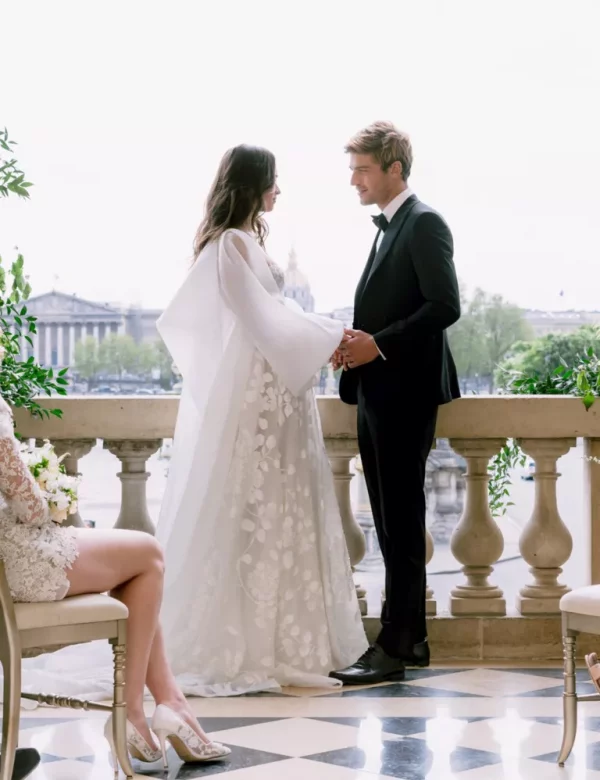
Wedding Ceremony at Le Crillon
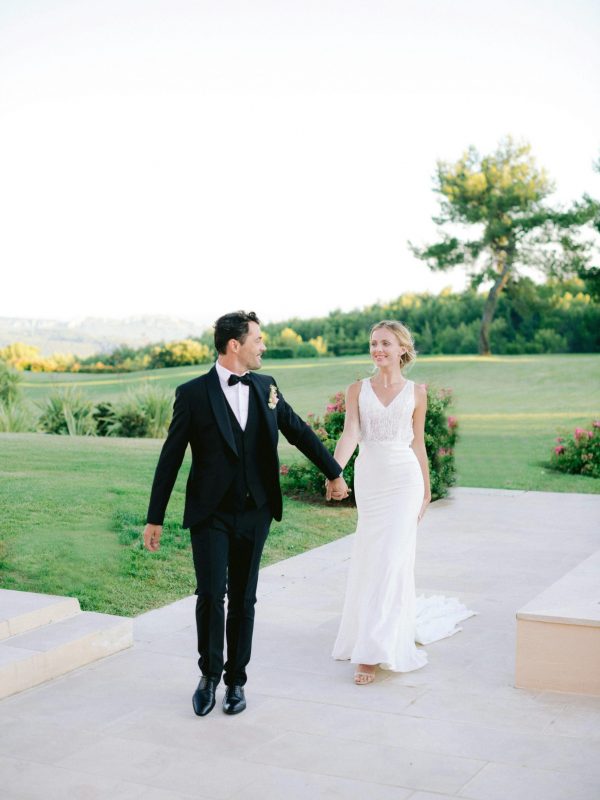
G + B discovering their wedding reception
Choose the Right Celebrant
Select a confident, engaging speaker who enjoys addressing an audience and can guide the rhythm of the ceremony. Provide a clear schedule with exact cues, especially important in a destination wedding timeline spread over several events.
Blend Cultures with Elegance
Use bilingual welcome signage (discover wedding decor inspiration), music from both heritages, rituals explained in both languages and printed programs in each language. Every detail should feel intentional, polished and true to your story.
Why a Wedding Planner Makes the Difference
Coordinating a multilingual ceremony from afar requires precision, cultural sensitivity and expert timing. With my Franco-Scottish background and luxury wedding experience, no guest feels left out and the atmosphere remains elegant and emotionally rich from first word to final toast.